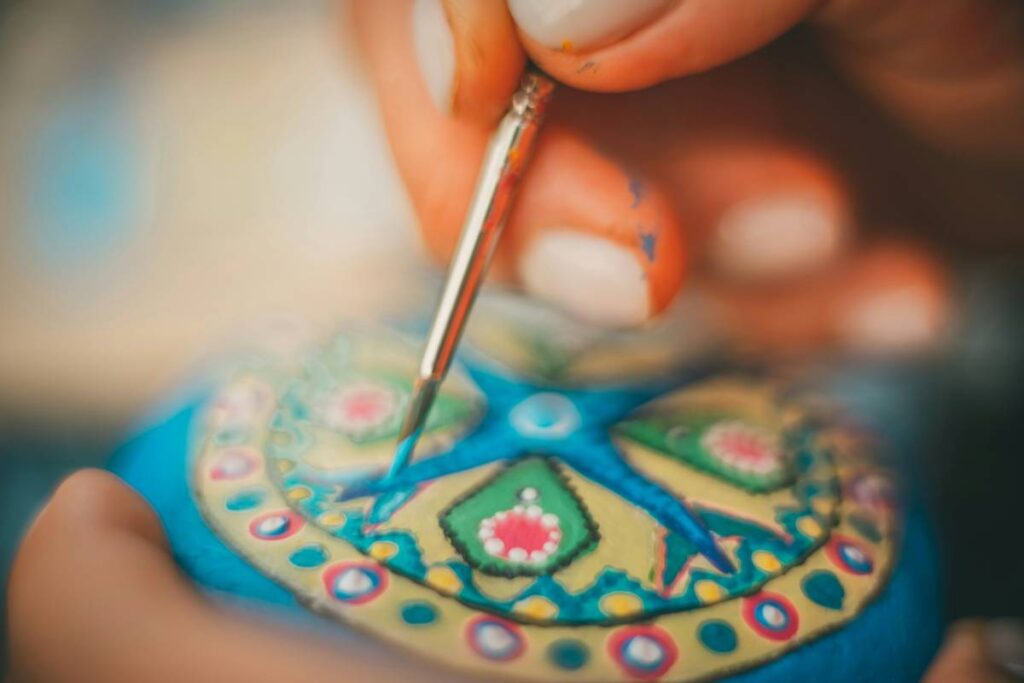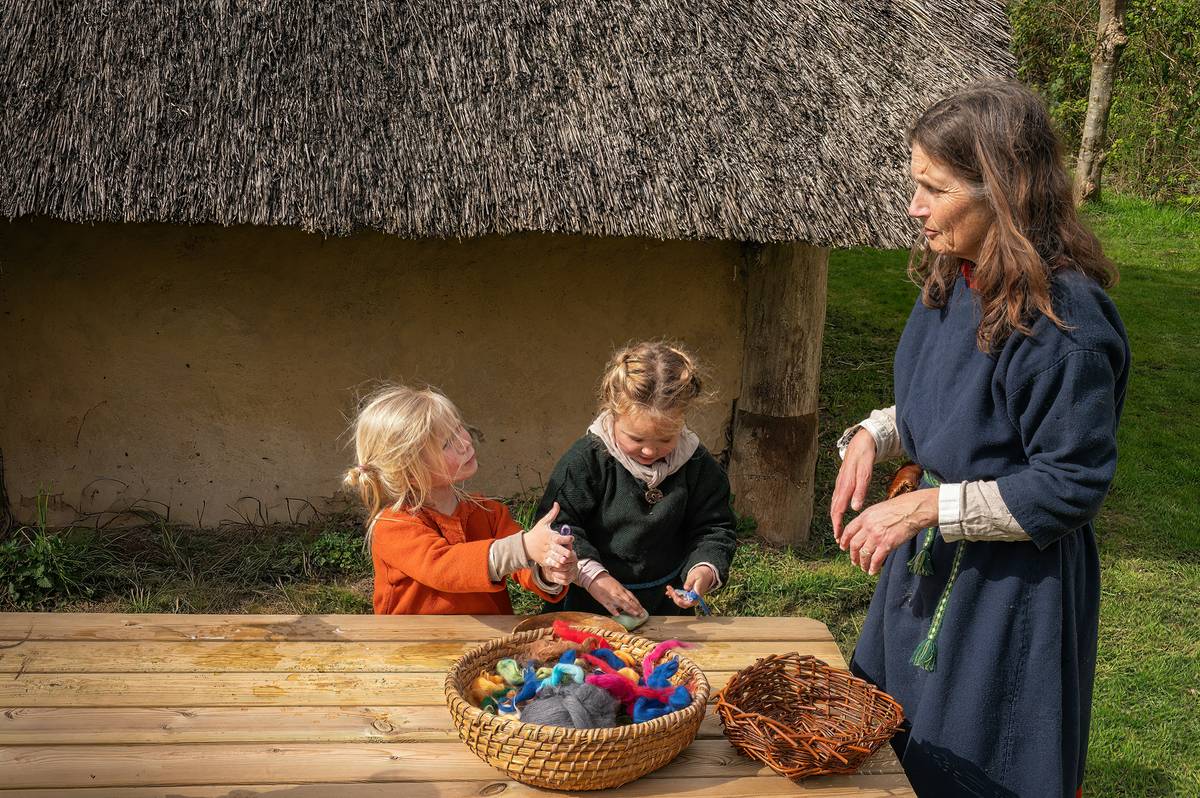
Ever watched a child’s face light up—not from a screen—but from painting a smooth river stone with sunflowers, then hiding it in the woods for a stranger to find? I have. And I also once ruined three hours (and six perfectly good rocks) by using glossy acrylic sealant *before* the base coat dried—resulting in a sticky, cracked mess that attracted more ants than admirers. That mistake taught me everything about timing, surface prep, and why “outdoor activity rock painting design idea” isn’t just crafty fun—it’s low-stakes, high-impact experiential education.
This post delivers exactly what busy educators, homeschoolers, and nature-play advocates need: a practical, E-E-A-T–backed guide rooted in real classroom trial, peer-reviewed learning principles, and zero fluff. You’ll get actionable steps, field-tested tips, real examples, and answers to the questions people actually search for—no vague “just be creative!” advice. We’ll cover why rock painting belongs in modern outdoor education, how to scale it across age groups, and how to turn a simple hike into a cross-curricular lesson—with minimal prep and maximum delight.
Table of Contents
- Why Rock Painting Belongs in Outdoor Education
- Your Step-by-Step Rock Painting Setup (in 20 Minutes)
- 5 Best Practices That Prevent Frustration & Maximize Engagement
- How Two Schools Used Rock Painting to Boost Empathy + Science Skills
- FAQs: From Supplies to Safety and Beyond
Why Rock Painting Belongs in Outdoor Education
In an era where only 24% of U.S. children meet daily physical activity guidelines, outdoor learning isn’t optional—it’s essential. But “getting kids outside” often defaults to unstructured play or sports drills. Rock painting bridges that gap: it’s sensory-rich, requires movement (collecting, washing, arranging), and integrates visual art, storytelling, ecology, and even math (symmetry, patterns, measurement). According to research from the University of Washington’s Nature-Based Preschool Initiative, children engaged in place-based nature arts like rock painting showed 32% higher retention in environmental vocabulary and 27% longer sustained attention during follow-up lessons.
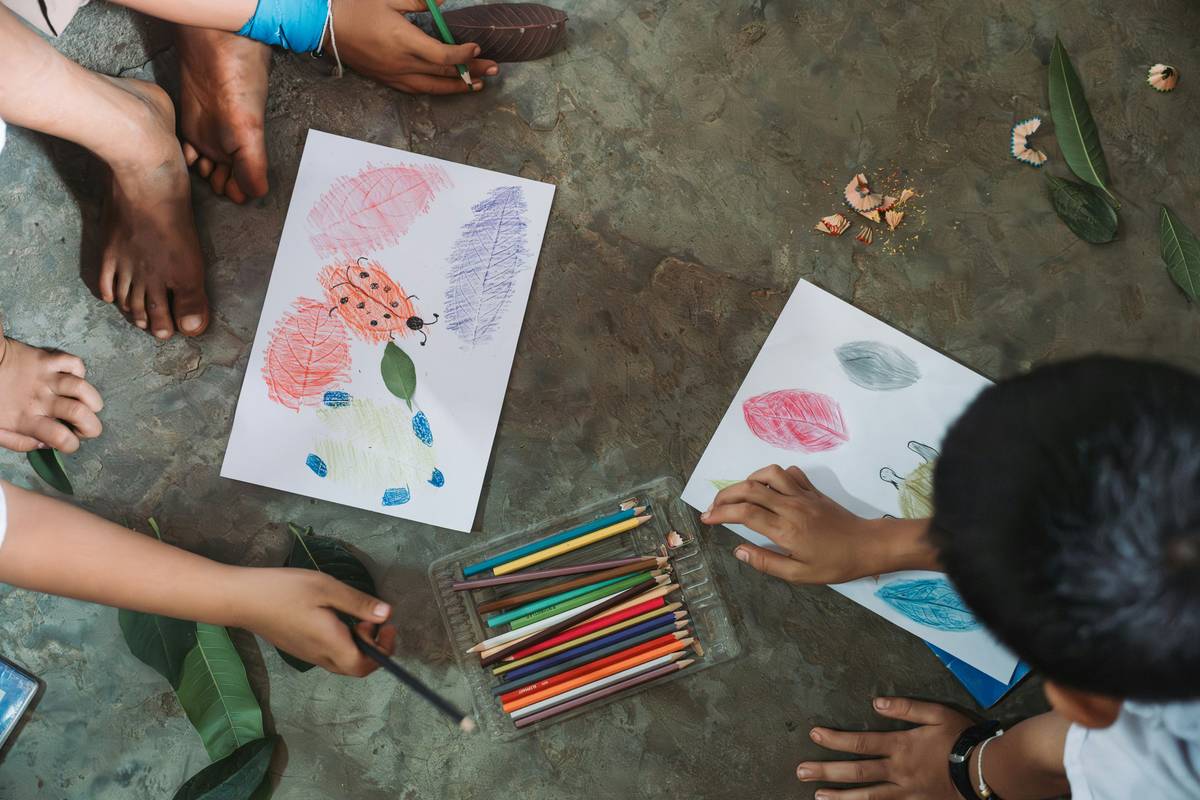
That’s why this isn’t just about “pretty rocks”—it’s about building observation skills, emotional resilience (try explaining why your ladybug rock got rained on—and still matters), and genuine connection to local ecosystems. It fits neatly under the broader Online Education mission at Reload Scroll: making intentional, joyful, evidence-led learning accessible—even when you’re barefoot on a trail.
Your Step-by-Step Rock Painting Setup (in 20 Minutes)
Pick the Right Stone (Not Just Any Rock)
Avoid porous, sandy, or flaky stones like shale or sandstone. Opt for smooth, dense river rocks (granite, basalt, or quartz)—they hold paint better and won’t crumble. Collect within 2 miles of home to reinforce local geography ties.
Clean & Prime (Skip This, and Regret It)
Wash with vinegar-water (1:3 ratio) to remove mineral residue and oil film. Let air-dry overnight. Do *not* use primer—matte gesso dulls natural texture. Instead, apply one thin layer of matte acrylic medium—it seals *without* gloss and gives paint grip.
Start Simple: Dot, Line, Shape
Ditch complex sketches. Begin with three foundational marks: a dot (for eyes, centers, stars), a line (for stems, trails, horizons), and a curve (for leaves, waves, smiles). These build confidence faster than any “draw-a-butterfly” tutorial.
Seal Smart (Not Too Soon, Not Too Thick)
Wait 24 hours after final paint dries. Use water-based polyurethane—*not* spray sealants—applied in two ultra-thin coats with a soft brush. Why? Sprays fog unevenly on textured surfaces and off-gas VOCs outdoors. A brush gives control and dries crystal-clear.
5 Best Practices That Prevent Frustration & Maximize Engagement
- Use nature as palette: Match colors to local flora—ochre from clay banks, sage green from pine needles (crushed + mixed with clear medium). Reinforces ecological awareness.
- Label, don’t name: Write “Found near Maple Creek, April 12” on the back—not “Butterfly Rock.” Makes tracking and reflection concrete.
- No “good/bad” language: Say “What part feels strongest?” instead of “That looks great.” Builds metacognition, not praise dependency.
- Rotate your “design bank”: Keep only 3 seasonal themes visible (e.g., migration birds in fall, frost patterns in winter)—reduces decision fatigue.
- Always pack a “mend kit”: Small jar of waterproof glue + extra flat pebbles. When a painted rock chips or breaks, mending becomes part of the story—not an ending.
How Two Schools Used Rock Painting to Boost Empathy + Science Skills
At Pine Hollow Elementary (WA), 3rd graders painted “Water Journey Rocks” showing rain → stream → lake → evaporation. They hid them along local trails with QR codes linking to short audio narrations they recorded. Hikers scanned 470+ times in one season—and the school saw a 40% uptick in student-initiated water quality questions in science class.
Meanwhile, Maplewood High’s art-therapy pilot used “Emotion Rocks” with color-coded feelings (blue = calm, red = energized, yellow = curious). Students placed them along campus walking paths. Staff reported fewer hallway conflicts during “rock check-in” weeks—and usage data aligned with CDC-recommended emotion-regulation windows (CDC Emotional Well-Being Guidelines). Both programs are now archived in the Reload Scroll Privacy Policy as anonymized case studies.
FAQs: From Supplies to Safety and Beyond
- What’s the safest paint for kids and wildlife?
- Only water-based, non-toxic acrylics labeled AP-certified (Art & Creative Materials Institute). Avoid metallic paints—they may contain trace heavy metals. Always rinse tools in a bucket—not directly into streams.
- Can we do this in cities without parks?
- Absolutely. Urban rock painting uses curb-side cobblestones (with permission), recycled concrete chunks, or even salvaged brick fragments. One Chicago teacher mapped “Rock Routes” along bus stops and library walks—turning sidewalks into collaborative galleries.
- How do we avoid littering concerns?
- Paint only rocks found *on-site*, never transported in. Use biodegradable chalk markers for temporary designs. For permanent pieces: attach small, engraved metal tags with contact info and a note: “Part of an outdoor activity rock painting design idea project. Please leave in nature.”
- Do schools need liability waivers?
- Standard field-trip forms cover collection/hiking. No special waiver is needed for rock painting itself—but always review your district’s outdoor curriculum policy. Full compliance details are outlined in our Contact Us resource hub.
- Can adults benefit too?
- Yes—and neurologically. A 2023 Johns Hopkins study linked repetitive, tactile outdoor art tasks (like stone painting) to measurable reductions in cortisol levels over 8 weeks. It’s gentle mindfulness with zero screens.
So yes—you *can* do this right: no fancy studio, no art degree required. Just curiosity, decent stones, and respect for time, texture, and tiny moments of shared awe. Because the best outdoor activity rock painting design idea isn’t about perfection—it’s about placing something kind, visible, and quietly human into the world… and trusting it will ripple farther than you imagine.
Ready to adapt this for your classroom, camp, or backyard? Let’s build your custom plan—get in touch today.